
Imagine a six-year-old first-grader sitting at a small table under a bulletin board with a large, primary newsprint paper (the kind with a large space for drawing and and a few lines for writing a simple sentence. On that large newsprint, that first-grader is tasked to respond to the writing prompt, “What do you want to be when you grow up?” Picture that first-grader knowing exactly what she wants to write and draw — I want to be a teacher when I grow up. If you haven’t figured it out yet, that first-grader was me. And yes, I really did know I was going to be a teacher when I grew up. I was a shy child but a good student, and my teacher liked that I got along with nearly everyone. I also liked to help. I loved my teachers and wanted to be just like them. I never strayed from the idea of becoming a teacher.
Throughout childhood, I spent my playtime lining up my dolls and stuffed animals on my bed in a makeshift classroom. I created a seating chart and a roster — complete with students who had the same first name and other students who had the same last name! After a few lessons, I would go the the teacher’s lounge (kitchen) for my snack, then return to deal with boo-boos and hurt feelings before continuing on with more lessons. As I continued to grow, I developed the reputation for being a good peer model and was asked to help my classmates when they seemed to struggle from time to time. I loved this and absolutely couldn’t wait to be a teacher!
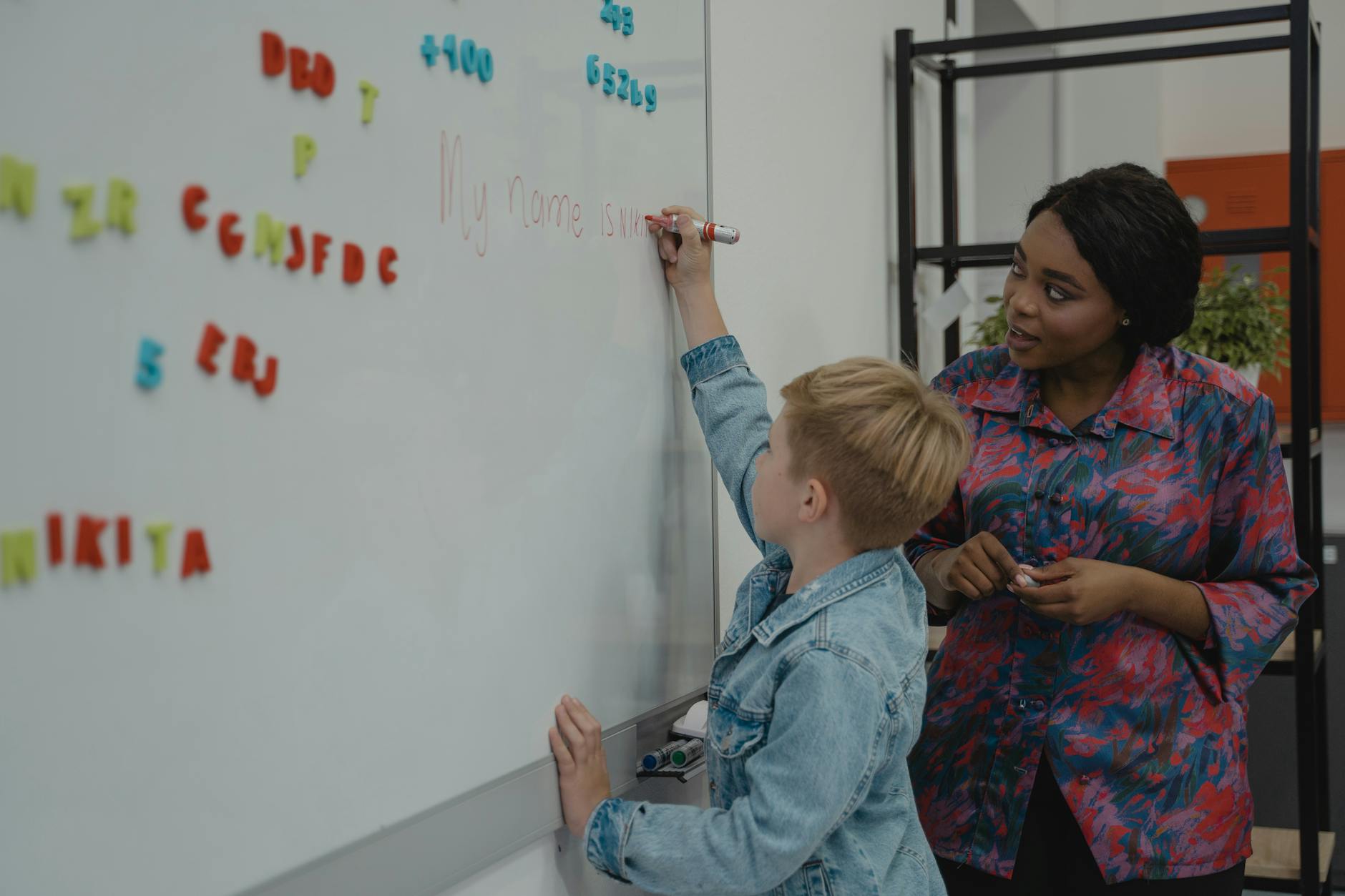
After graduating high school, I knew I wanted to study to become an elementary school teacher. I also knew it would be important for me maintain a connection to elementary school while I was on the road to becoming a teacher. And, as lovely as it was to play pretend with my toys, I knew it wasn’t enough for me to get the experience I wanted. I was learning so much in my university classes, but having the experience of working with students would fill in the gaps that I felt my university classes left. By working with students daily, I was able to use what I was learning at school and come to my professors with questions straight from my experiences with my students. Tutoring, working as an instructional aide, and substitute teaching proved to be my best educators as I was learning how to teach.
Tutoring is a great way to get started in education before becoming a full-time teacher. You can work independently or for a company/organization. Often, you can create your own schedule based on your needs and choose what subject/ages you would like to tutor. Tutoring gives you a chance to see student strengths and challenges up close. Working with an individual or small group of students lets you determine where a student needs enrichment, acceleration, intervention, or remediation. Tutoring is a safe space to experiment with some of the teaching and learning methods you are learning in school. Tutoring is work I always return to when I am not in the classroom full-time, and it’s a great way to get starting honing your teaching practice. If you plan on getting started in tutoring, I have my Terrific Tutor Pack available in my TpT store. Just click the link to go directly to my store.
Just before starting student teaching, I started working as an instructional aide at one of the elementary schools in my area. For me, this job taught me the most about being a teacher. I did everything in this job — I worked with individual students, I worked with small groups, I made copies, I prepped materials for lessons, I graded and entered simple assignments, I helped with supervision — you name it, I got it done! Nothing will teach you more about what classroom life is like without actually being the teacher. I was also very lucky in that the teachers I worked with knew I was studying to be a teacher and they would take the time to show me their portfolios, show me how they lesson planned, and they also let me teach a mini lesson here and there (one time without warning me first!) Again, I was able to put the theories I was learning about in school to practice and ask questions that naturally developed as I worked with more diverse students. This work prepared me in ways my university never could.
Once student teaching is over, it is time to jump into the real world of being an educator. Substitute teaching is a wonderful way to get teaching experience before getting your own class. Subbing allows you to see a variety of schools and classrooms. Teachers all have their own styles of behavior management, classroom procedures, assignment selection, etc. You can learn a lot from being in another teacher’s classroom. You will get ideas you hadn’t thought of before and learn what kinds of things work for you as you start to think of what your own teaching practice will look like. Subbing gives you the opportunity to network and get to know different school communities. If a long-term sub assignment becomes available, it’s a chance to see what everyday life as a classroom teacher is really like. Another bonus, is that subbing really teaches you to think on your feet. Sometimes, there’s an issue with the lesson plan left by the teacher, or there might not even be a lesson plan. I can’t count how many times I McGyvered an entire day’s worth of class activities from just read-aloud. (Maybe I’ll post about that in the future.)
If you are currently studying to become a teacher, or you’re interested but not sure teaching is for you, I highly recommend trying one of the jobs I’ve mentioned in this post. Tutoring is a great, low-stress option for anyone who needs schedule flexibility or is unsure if working with students is right for them. Working in the classroom as an instructional aide or as a substitute teacher is great for anyone who has committed to becoming an educator and wants more hands-on experience in the classroom with all the responsibilities of teachers. Wherever you are in your teaching journey, I wish you the best of luck. Don’t ever forget that the world will always need amazing educators!


 PinaRose Education